How Open World Games Are Revolutionizing Educational Game Design
In recent years, the gaming industry has witnessed a remarkable shift in how educational games are developed and perceived. One of the biggest influencers of this change is the emergence of open world games. These expansive, immersive environments allow players to explore, learn, and engage in a way that traditional educational games have yet to replicate. In this article, we’ll delve into how open world games are reshaping educational game design and the pivotal role they play in the future of educational games.
Understanding Open World Games
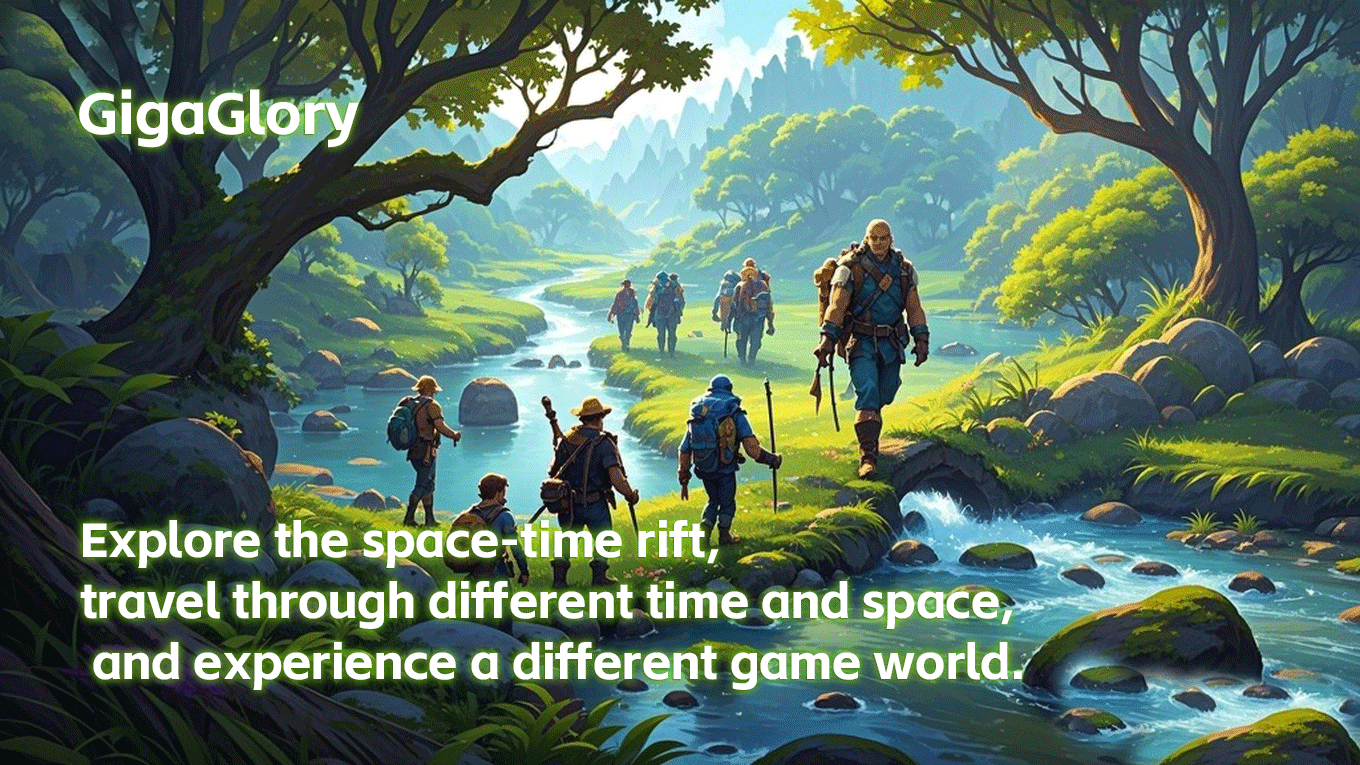
Open world games offer players vast landscapes filled with opportunities for exploration and discovery. Examples like The Legend of Zelda: Breath of the Wild and Grand Theft Auto V highlight how players can engage with their surroundings freely. Unlike linear games that guide players along a specific pathway, open world games invite players to create their own journey.
Benefits of Open World Design in Education
Using open world game design in educational contexts is not merely an innovative trend; it brings numerous benefits:
- Self-paced Learning: Players can explore at their own speed, fostering a personalized experience.
- Interactive Environments: Open worlds are rich with interactive elements, encouraging inquiry and critical thinking.
- Socio-emotional Growth: Players can collaborate and socialize, enhancing communication and teamwork skills.
Key Features of Educational Open World Games
Several features are essential to merging educational content with engaging open world gameplay:
| Feature | Description |
|---|---|
| Exploration | Players discover new areas, leading to spontaneous learning. |
| Quest-based Challenges | Quests encourage problem-solving and real-world application of knowledge. |
| Feedback Mechanisms | Immediate feedback helps players understand their mistakes and improve. |
| Cultural Context | Incorporating diverse perspectives enriches players’ learning experiences. |
Examples of Successful Educational Open World Games
Several games have successfully integrated open world design with educational aspects:
- Kerbal Space Program: This game teaches physics and aerospace engineering through the lens of building and launching a space program.
- Minecraft: Education Edition: Utilizing sandbox creativity, players learn math, science, and coding in an engaging environment.
- Never Alone: This game is centered around the Iñupiat culture, teaching players about indigenous storytelling and history.
Integrating Game Dev Story Tips and Hints
Creating an educational open world game requires careful planning and execution. Here are some game dev story tips and hints for developers venturing into this space:
- Balance Gameplay and Learning: Ensure that educational elements are organically integrated into gameplay mechanics.
- User-generated Content: Consider allowing players to create content, encouraging ownership and deeper learning.
- Iterative Testing: Test games with real players to gather feedback on both educational effectiveness and engagement.
Addressing Potential Challenges
Despite their benefits, developing educational open world games can be challenging:
- Resource Intensive: Creating an engaging open world can require substantial time and financial resources.
- Curriculum Alignment: Developers must ensure content aligns with educational standards without compromising gameplay.
- Target Audience Diversity: Cater to different age groups and learning styles to maximize inclusivity.
Conclusion
The rise of open world games marks a significant moment for educational games. They offer an engaging platform that not only entertains but also educates players in a unique and effective manner. By embracing the principles of open world design, educators and developers can create a new generation of learning opportunities that appeal to a wide range of learners. As technologies continue to advance and educational needs evolve, it is clear that open world games will play an essential role in the future of game-based learning.